My Journey:
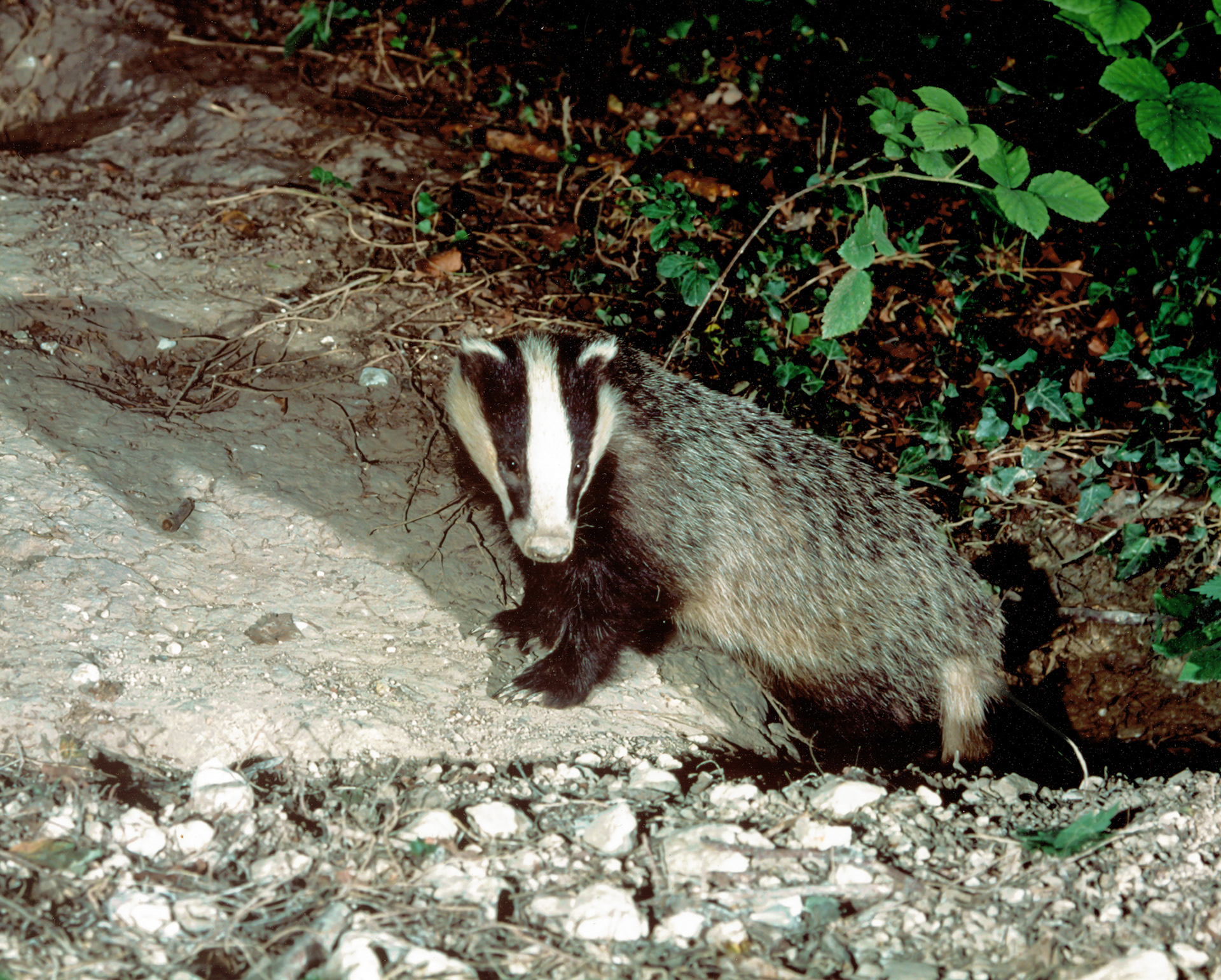
I have been camera trapping since 1989. It began when I designed a custom laser trigger to fire a modified Hasselblad and a pair of Metz 60CT-1 flashguns. My goal was to capture images of the elusive Eurasian Badger (Meles meles) in the woodlands of Buckinghamshire, UK. Despite the initial frustrations, successfully “nailing” that first image late one cold night left me hooked.
People, especially photographers, are often interested in what gear I use. I have tried nearly every commercial camera trapping system that has been available over the years (most of those companies are now defunct), designed and built my own application-specific systems (some laser, some sound, some IR) and now use Cognisys gear for all of my needs exclusively. I cannot praise this company highly enough - the quality and flexibility of their gear is only surpassed by their customer service. Interestingly, it isn't just me who thinks this - ask Disney/NatGeo, AppleTV, BBC Natural History Unit and just about any wildlife documentary producer.
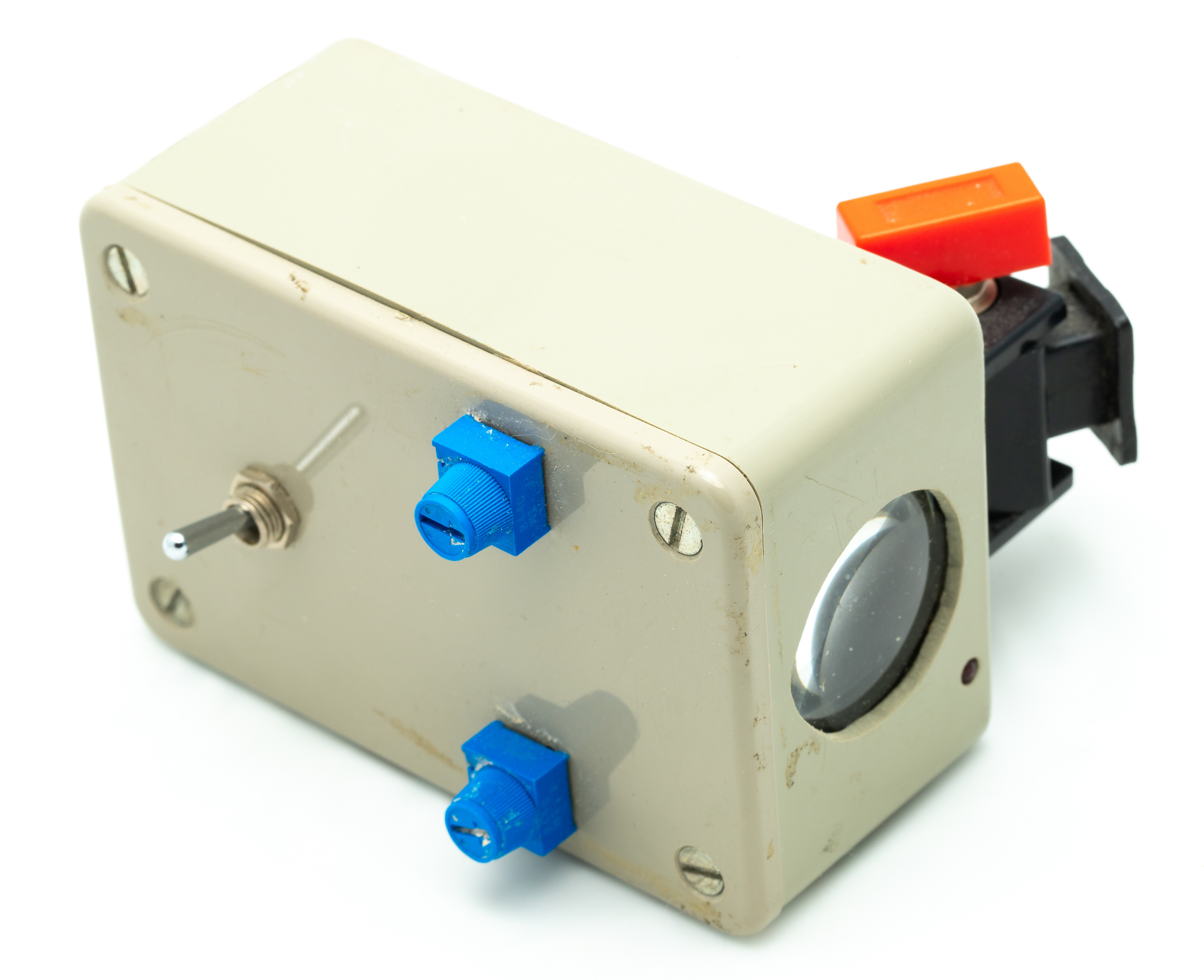
My first laser trigger - designed and built by me 1989
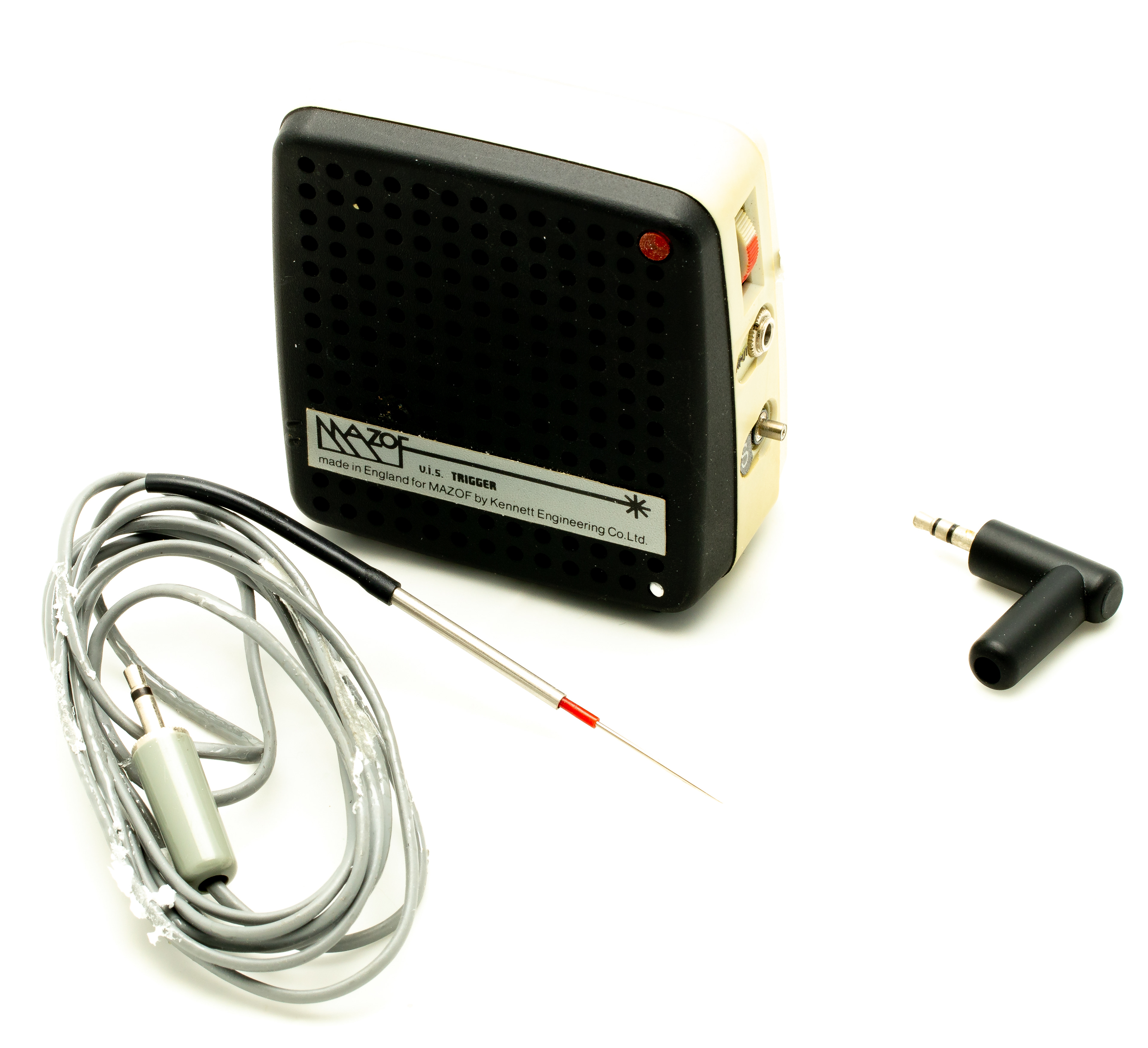
Mazof Trigger
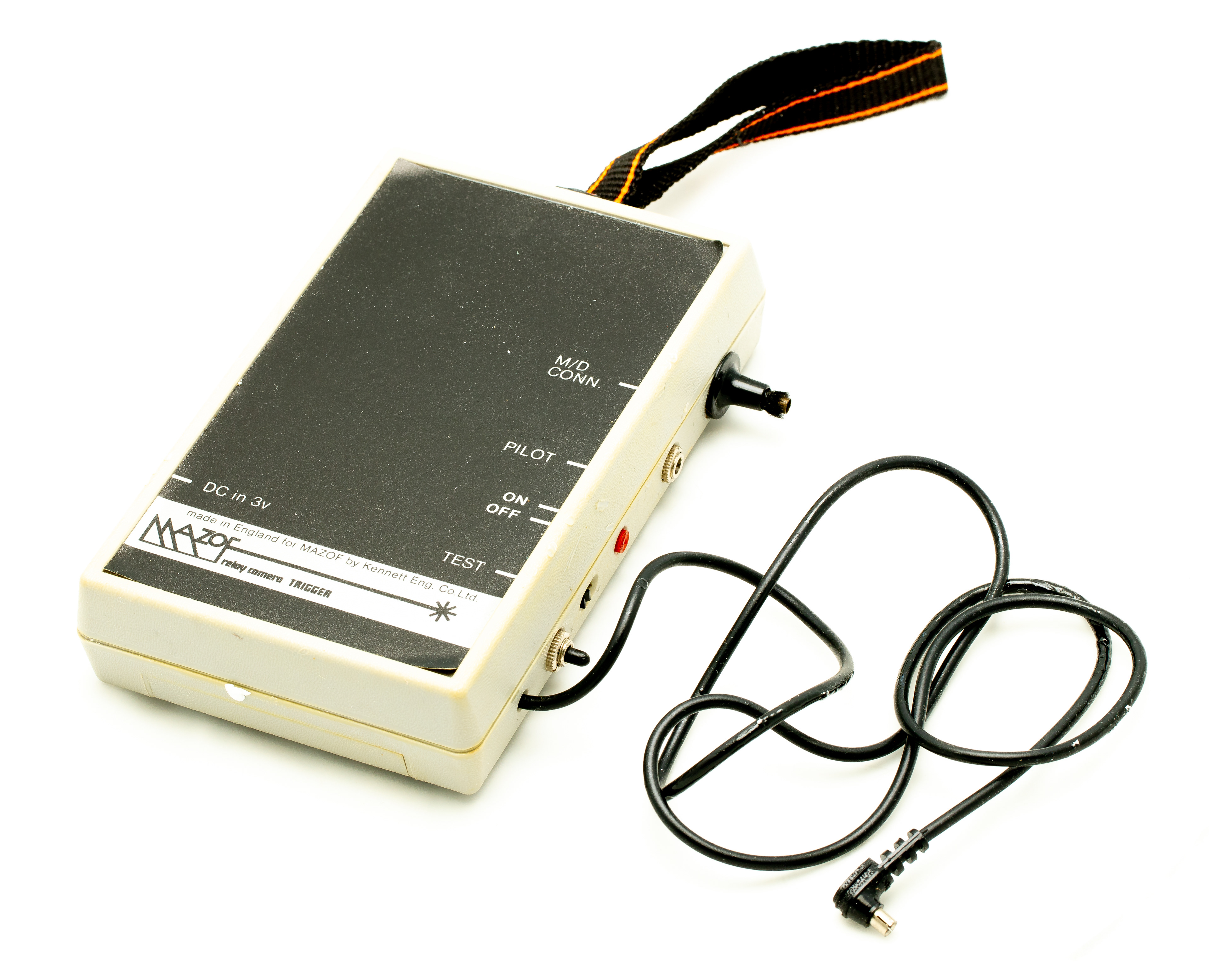
Mazof Trigger 2
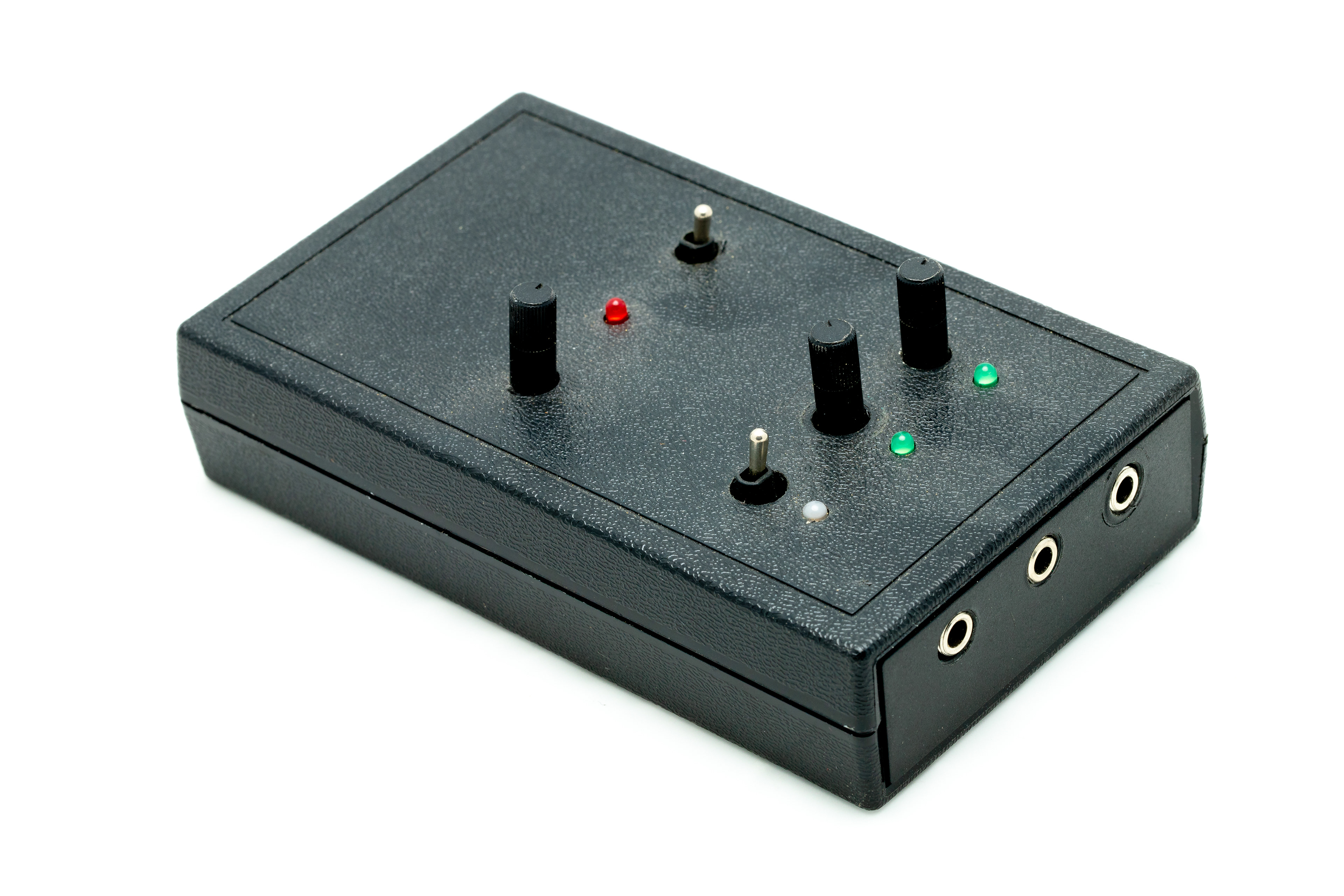
Dual beam trigger i designed around 1991
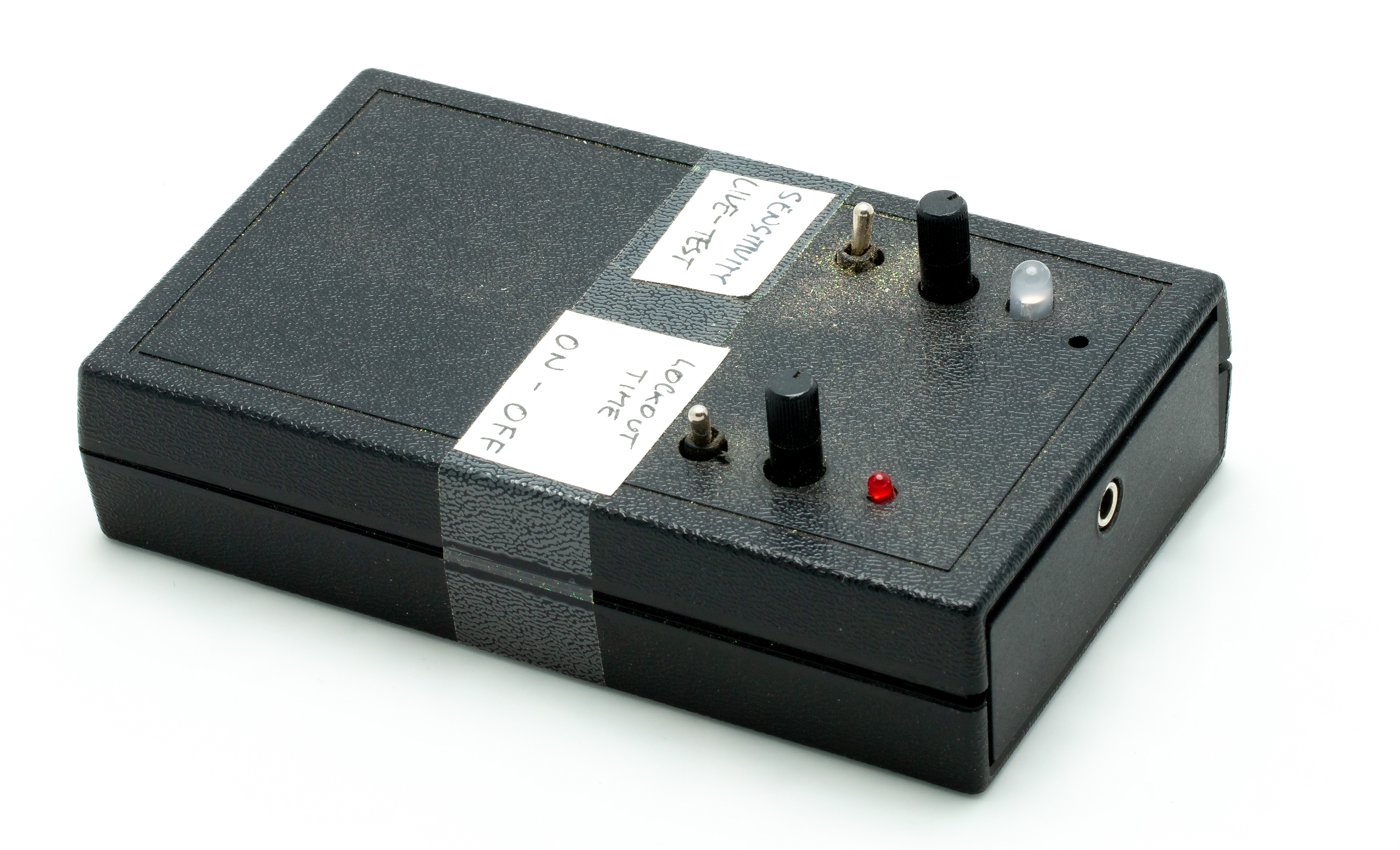
Sound trigger I designed in 1991
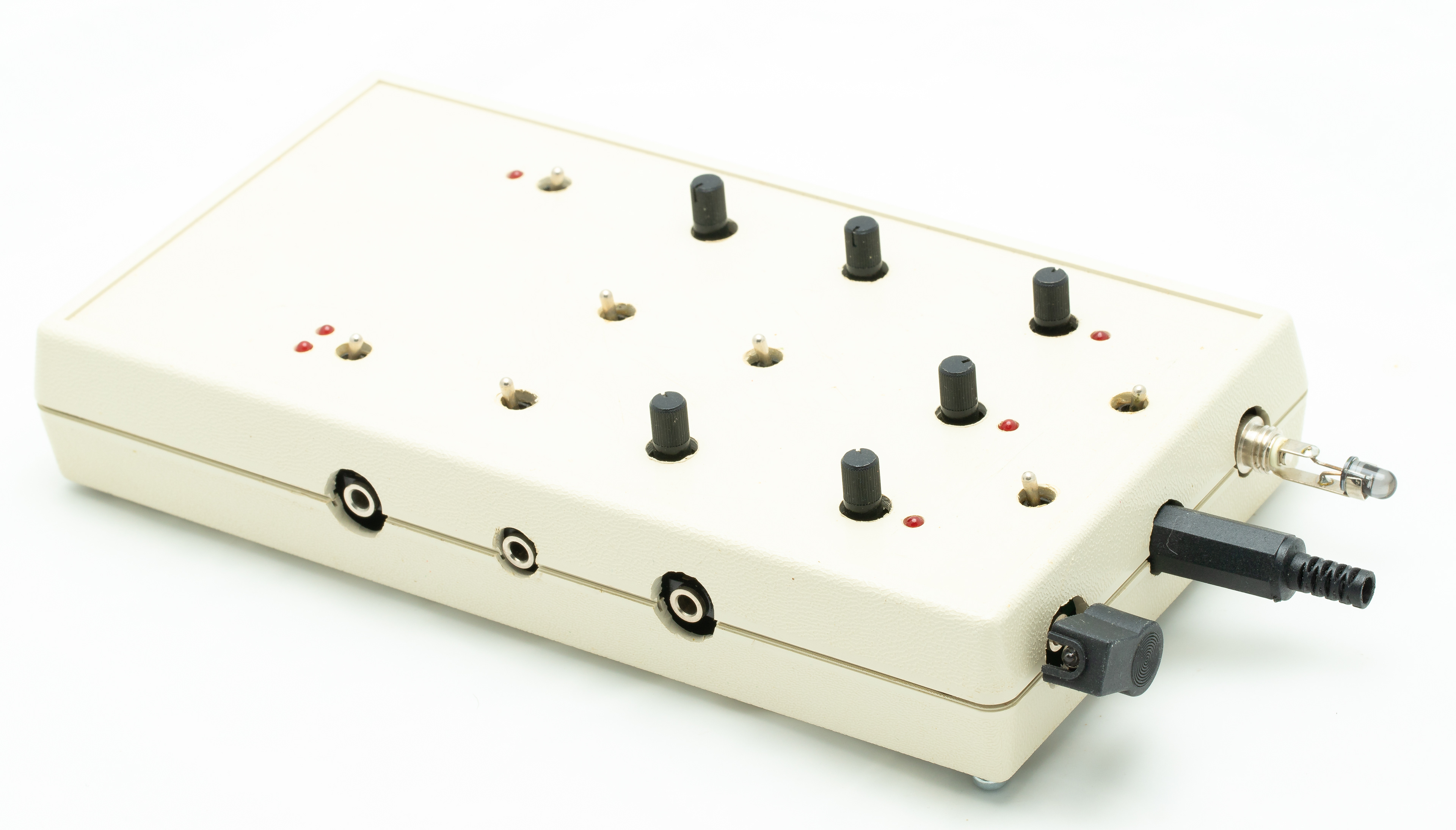
The Hotshot trigger I designed and built in 1994. Dual beam, Flash ready capability
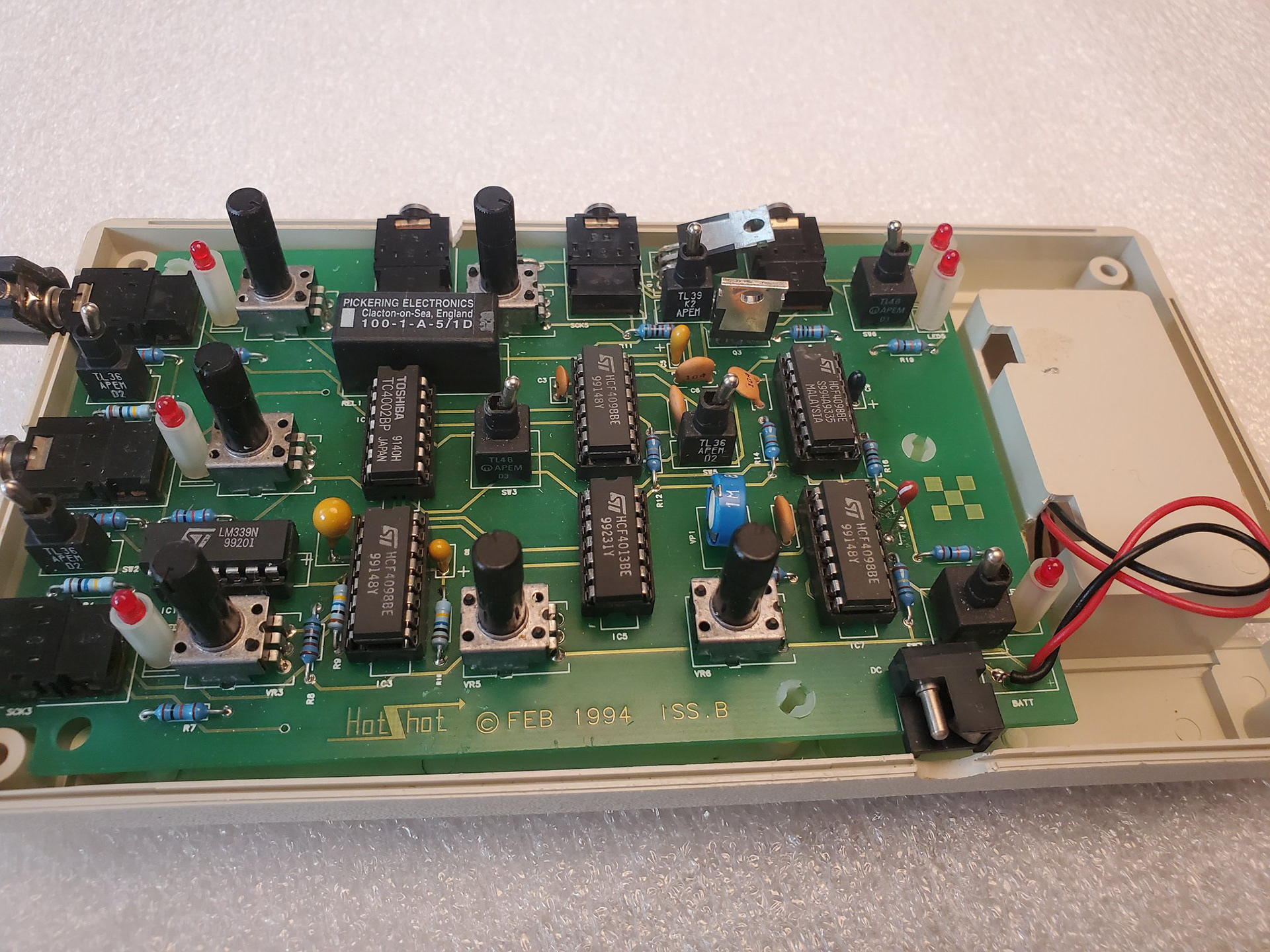
Inside the Hotshot. My own design.
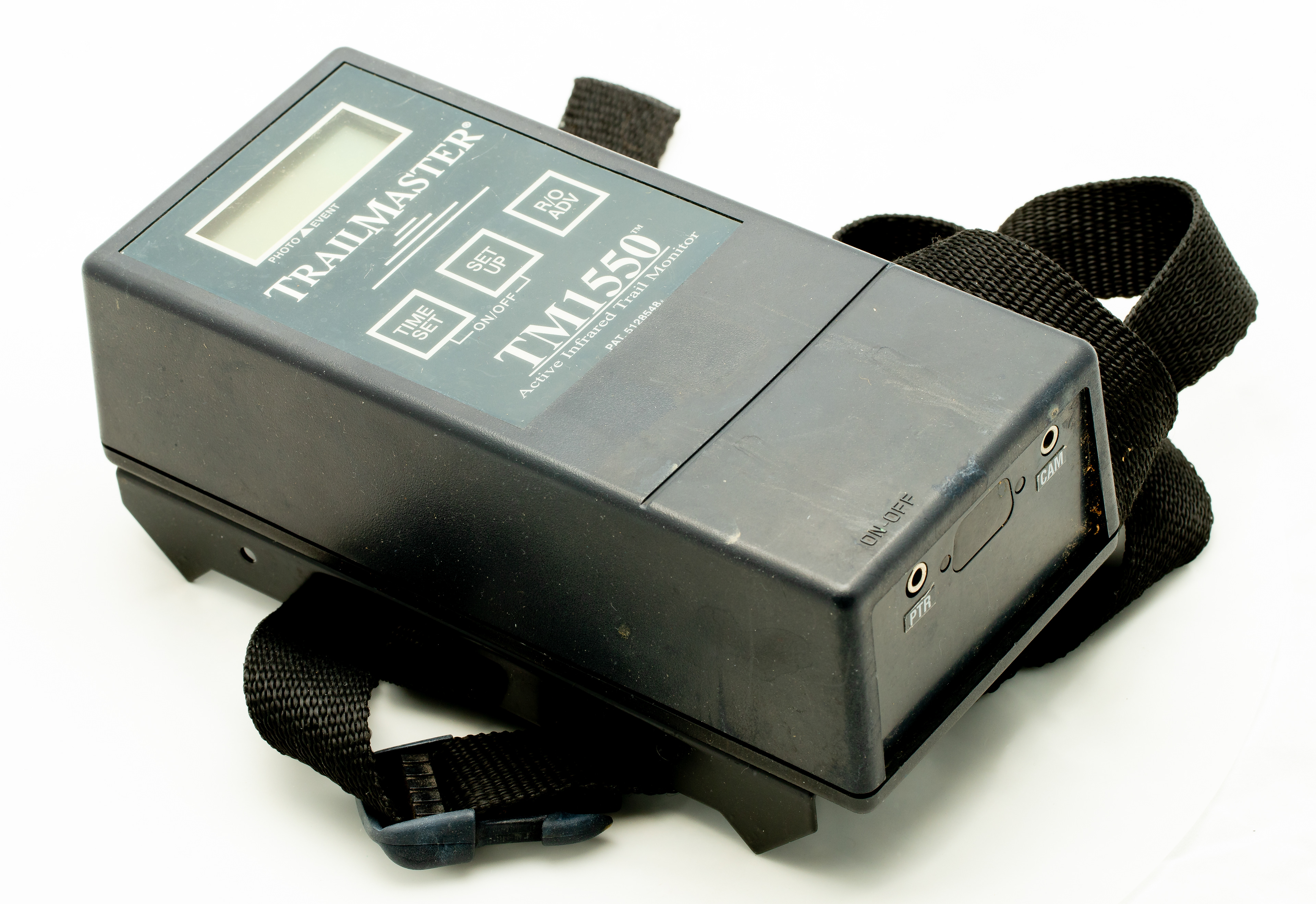
The trusty Trailmaster
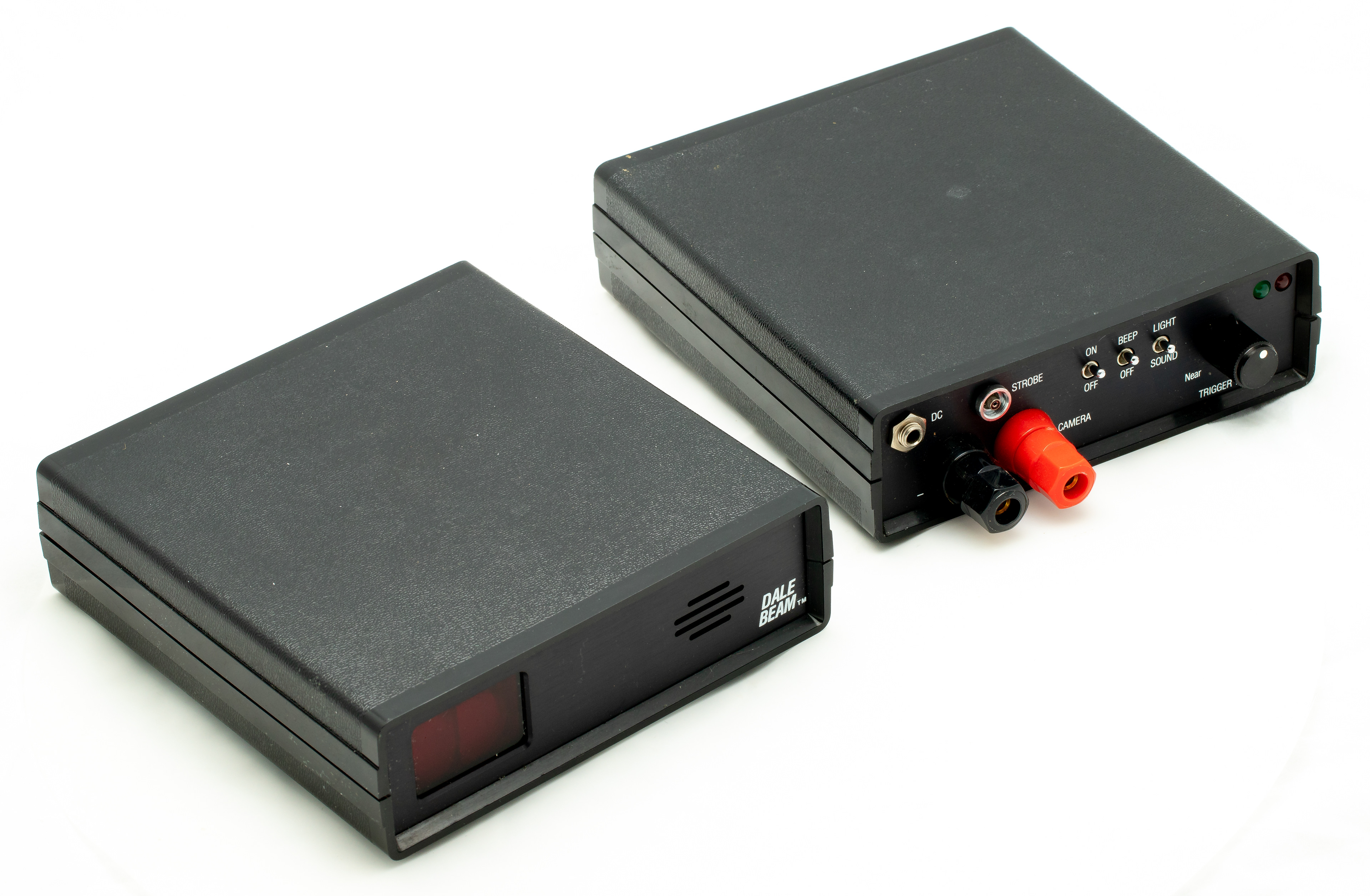
The Dalebeam
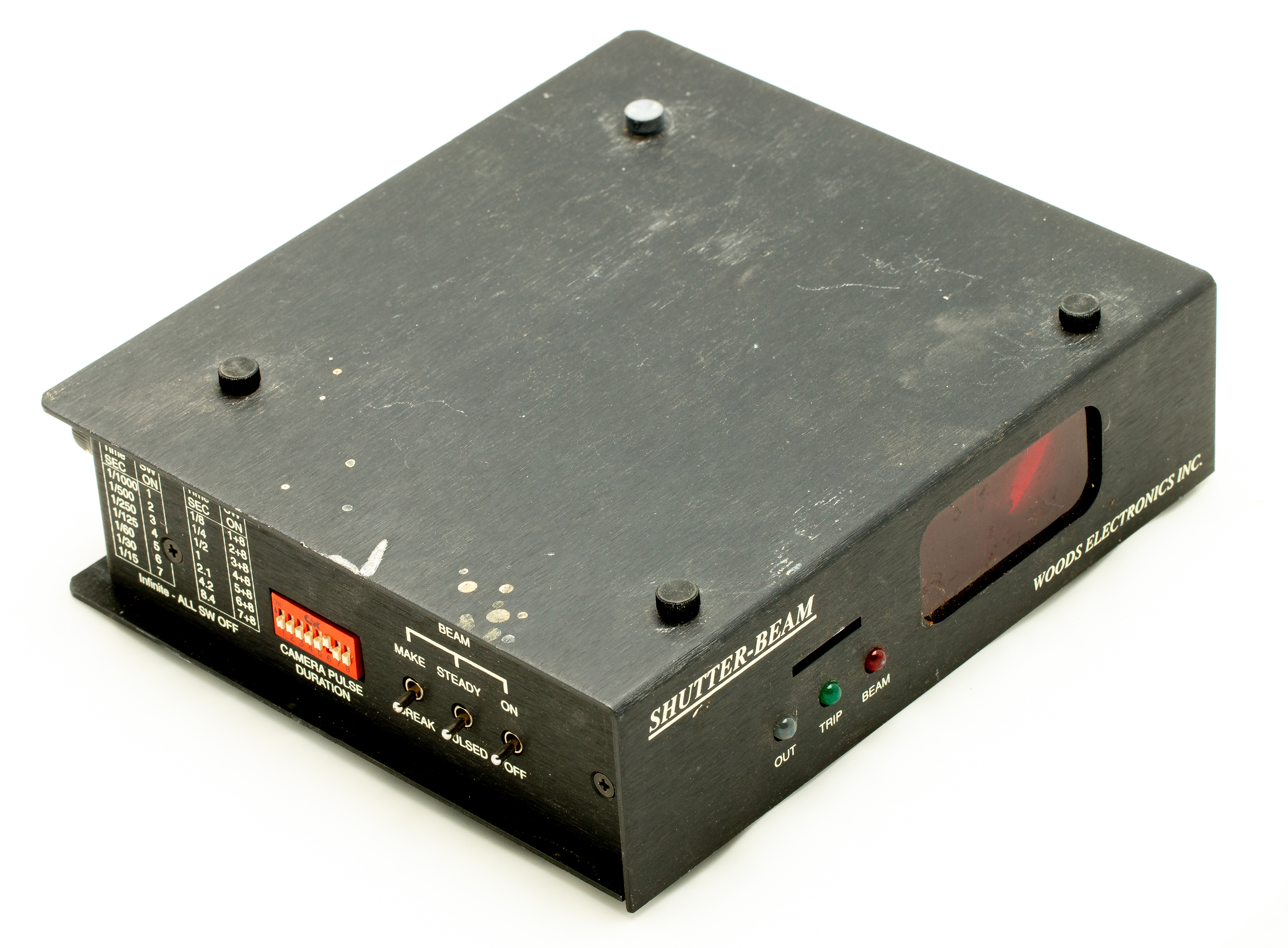
Woods Electronics' ShutterBeam
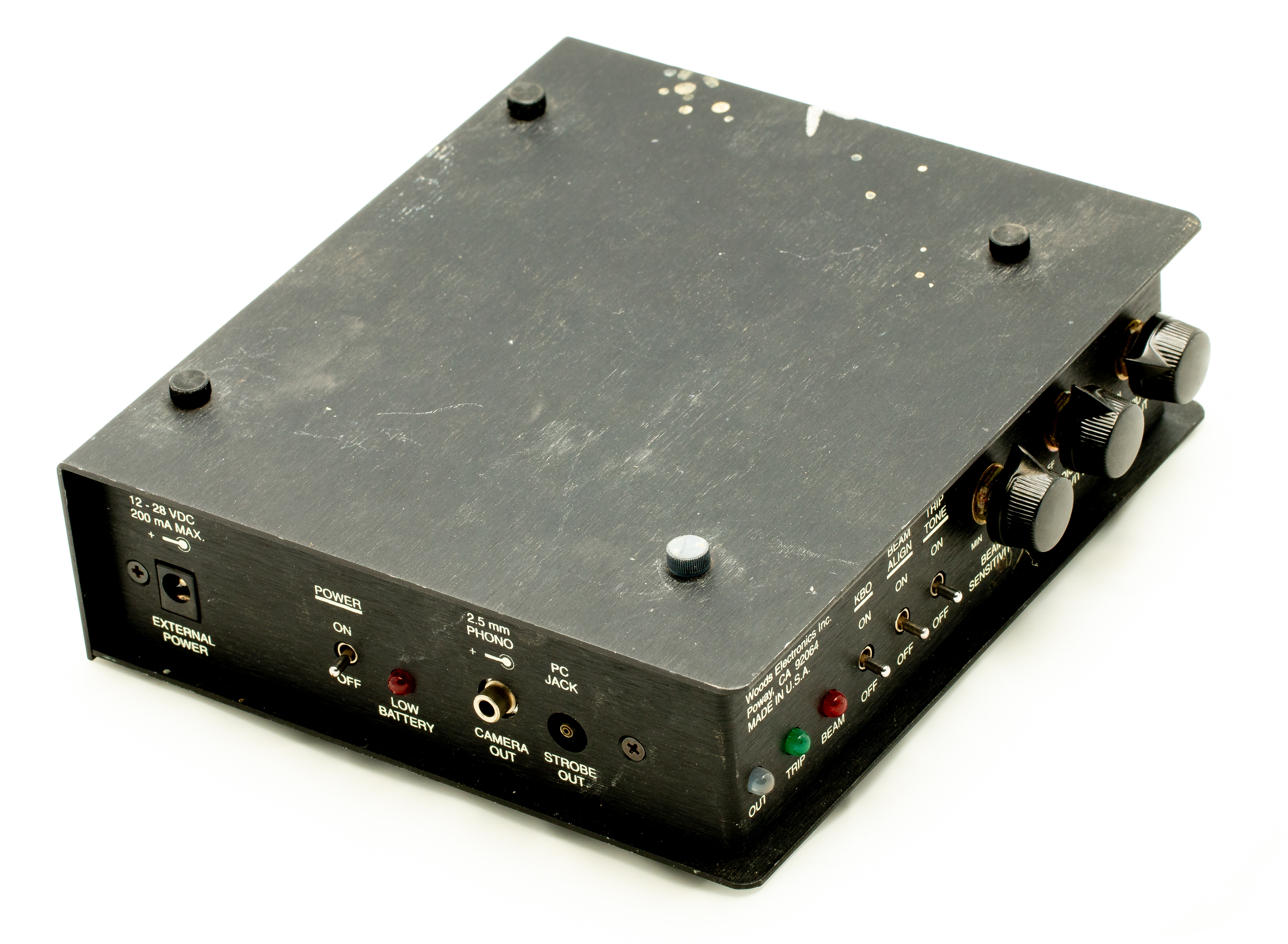
Back side of ShutterBeam
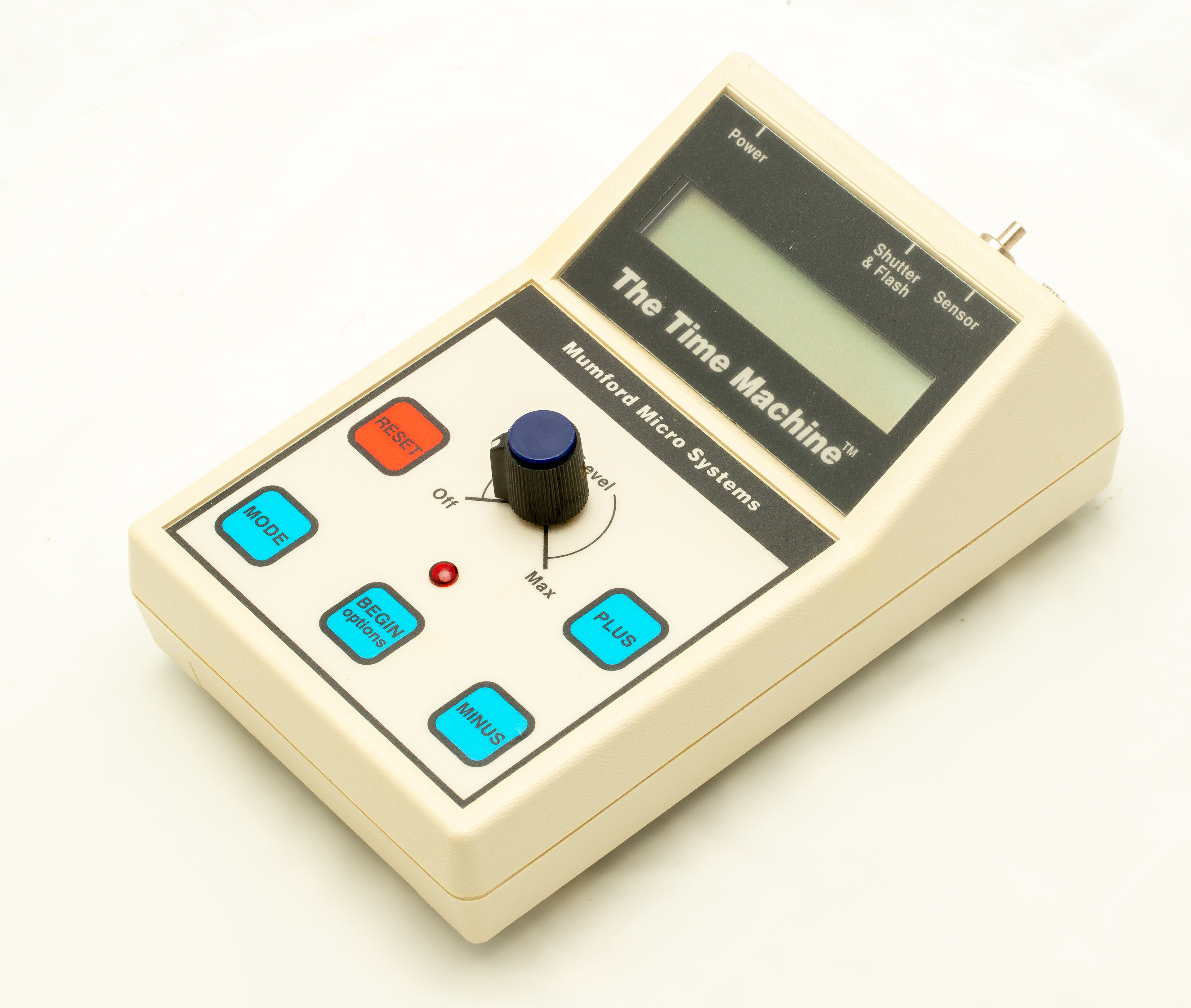
Bryan Mumford's Time Machine
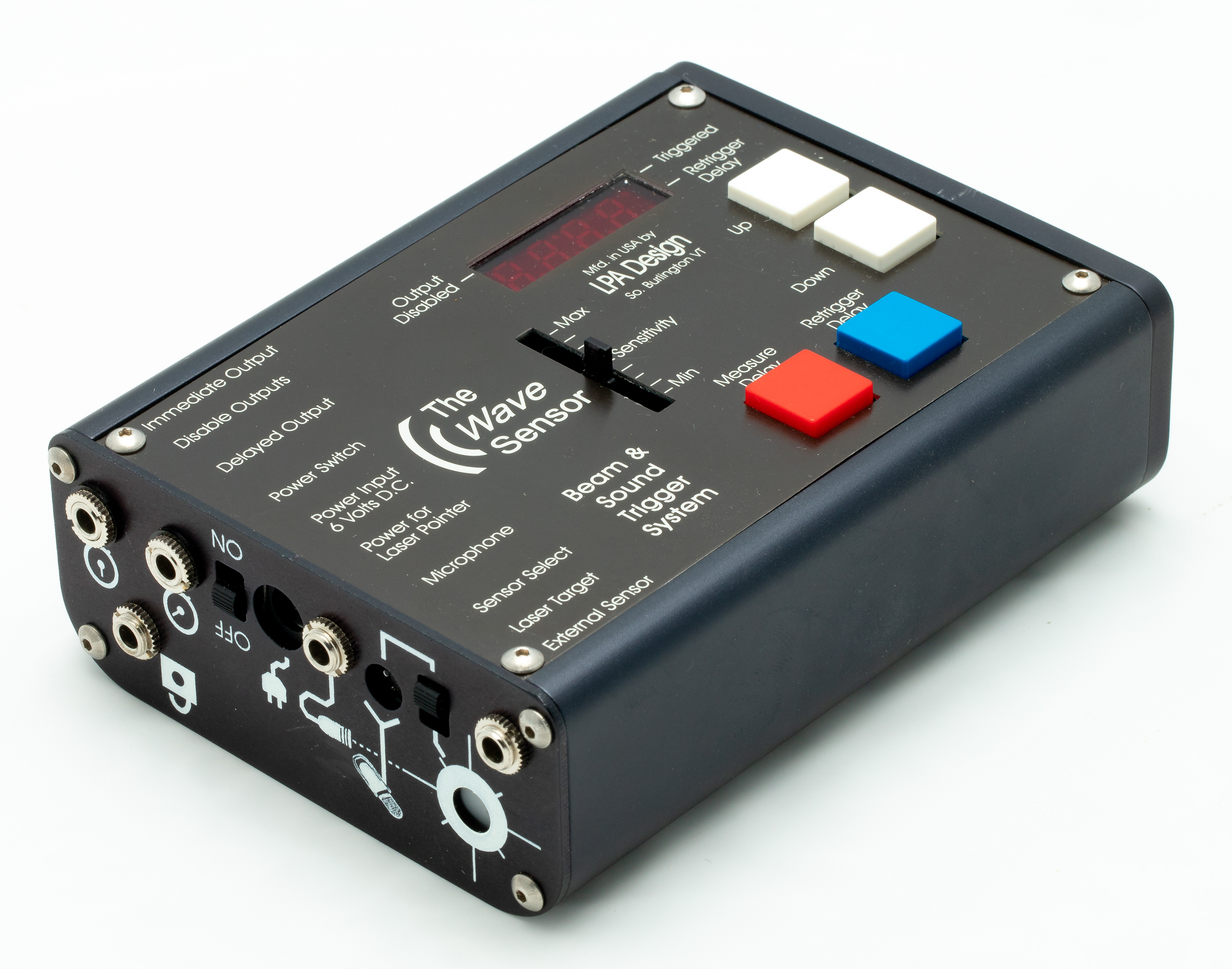
LPA's Wave Sensor
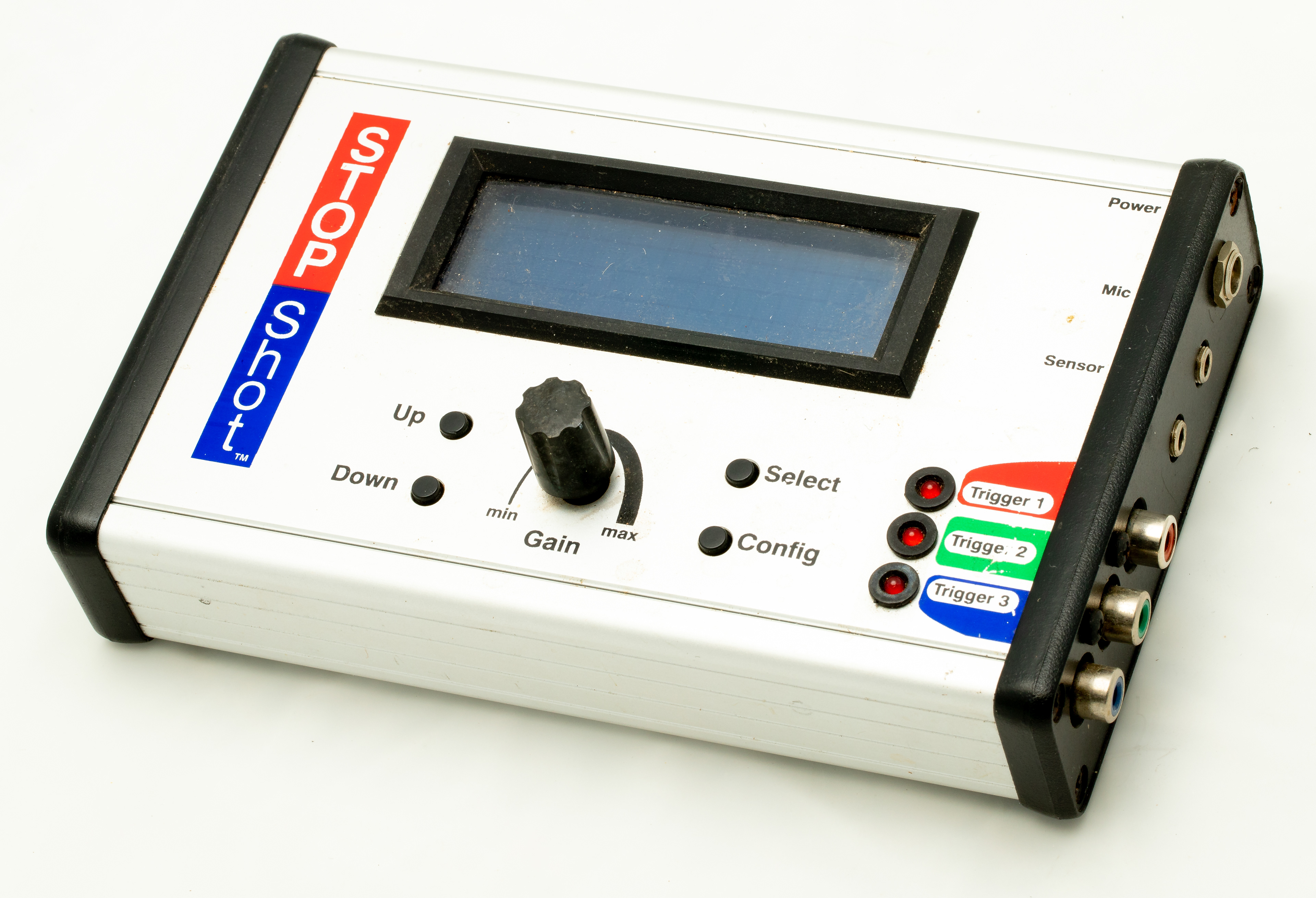
Cognisys StopShot
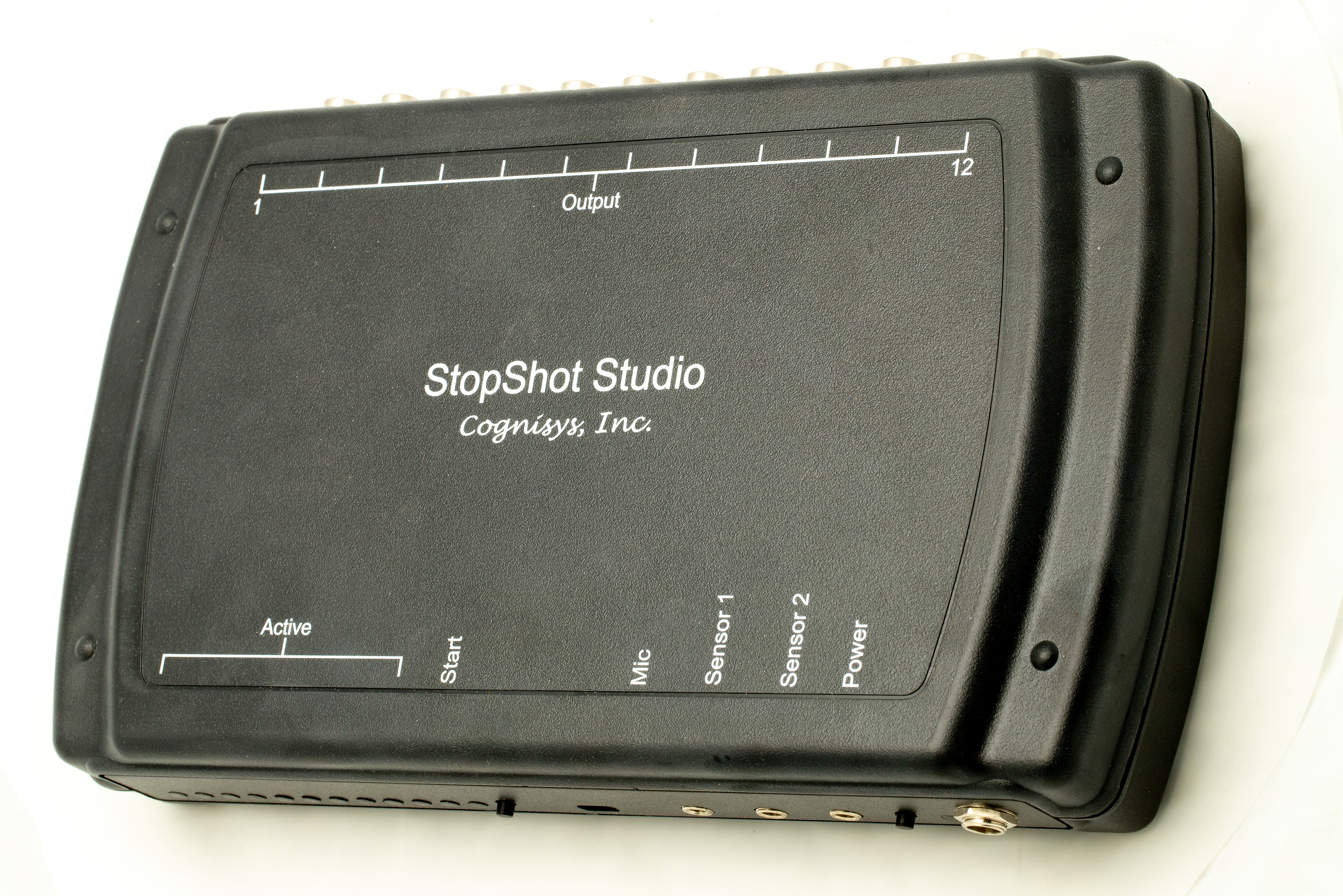
The infinitely flexible 'StopShot Studio'
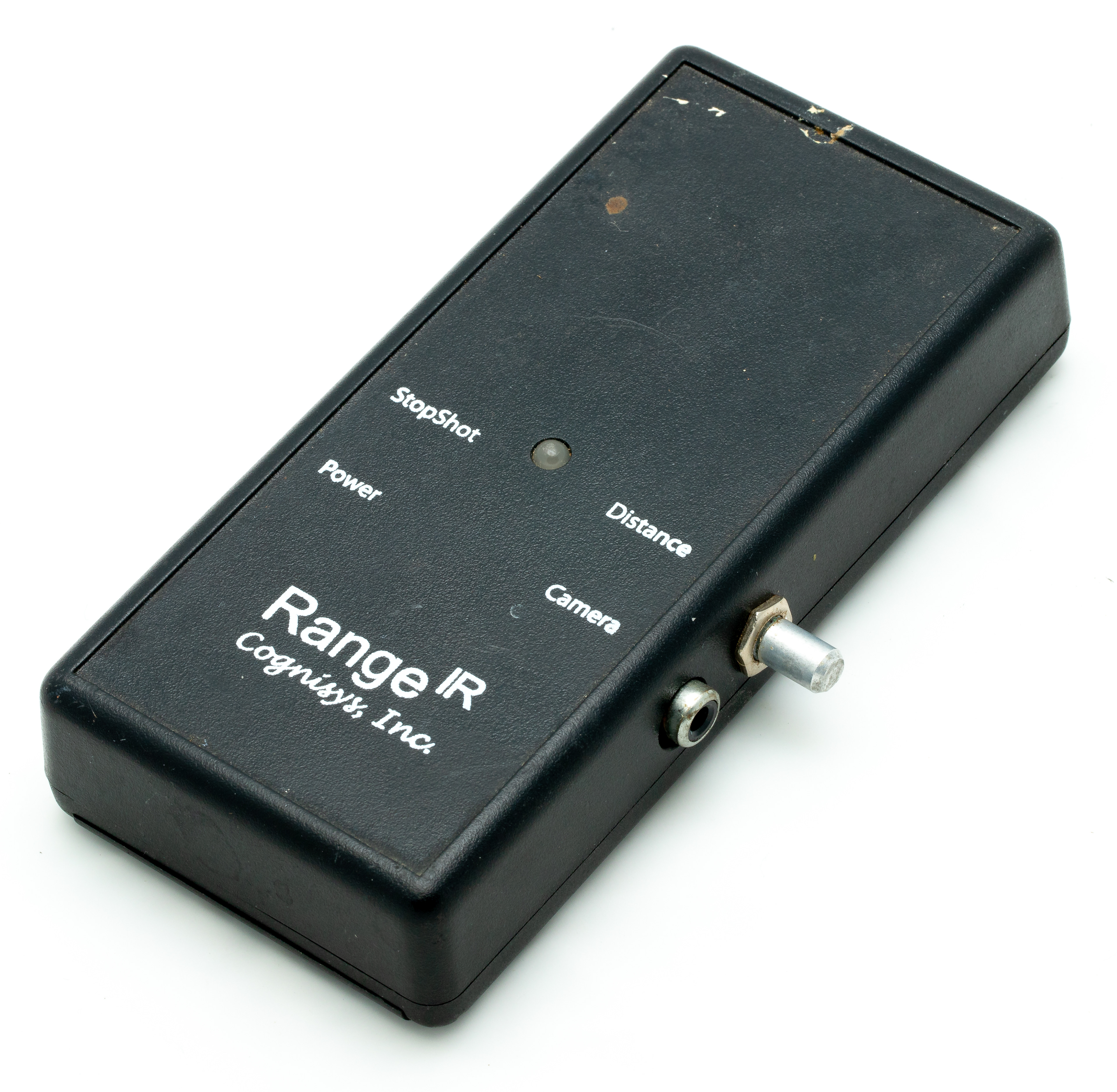
Cognisys RangeIR
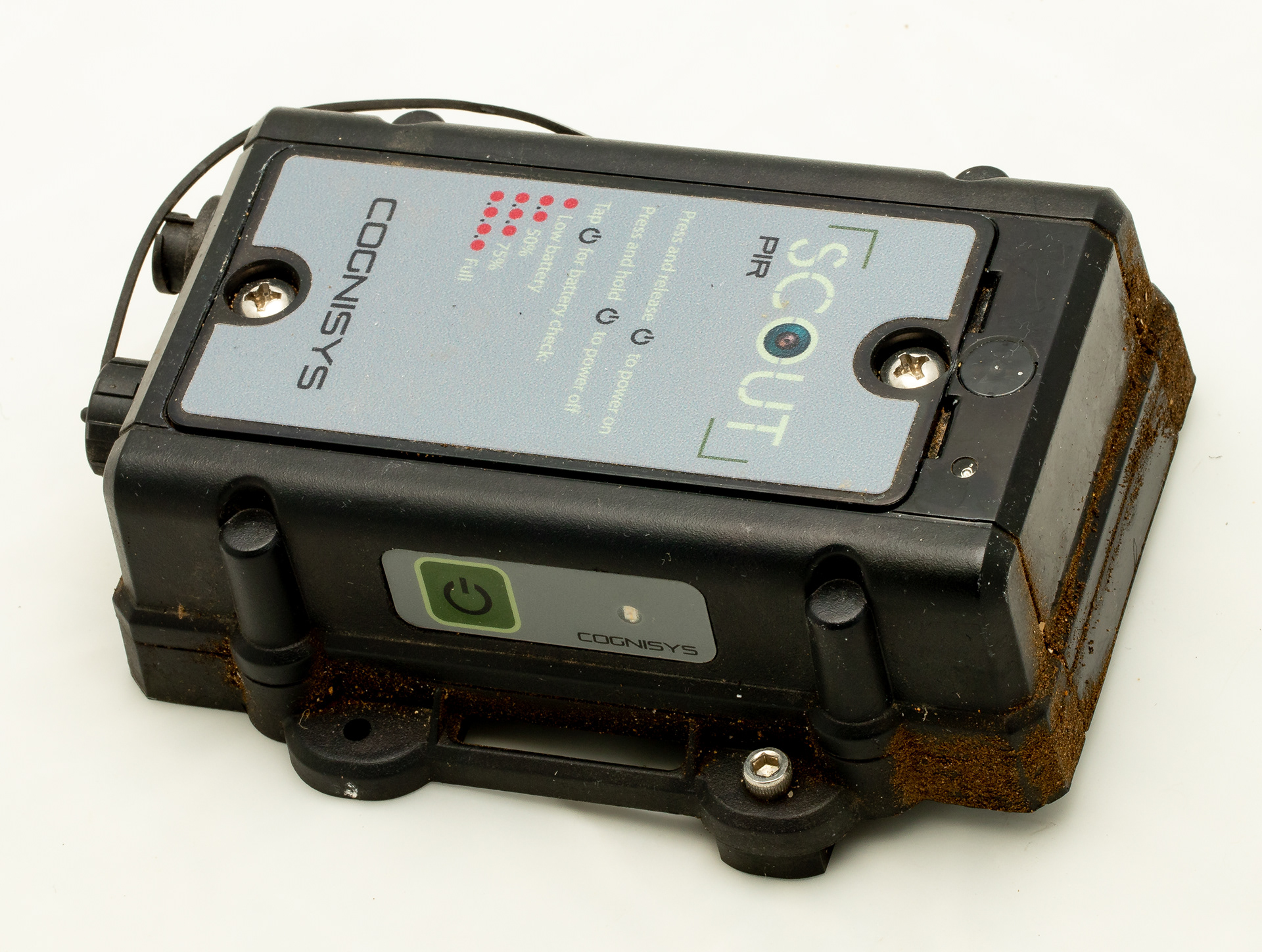
Cognisys PIR sensor (Way better than Camtraptions)
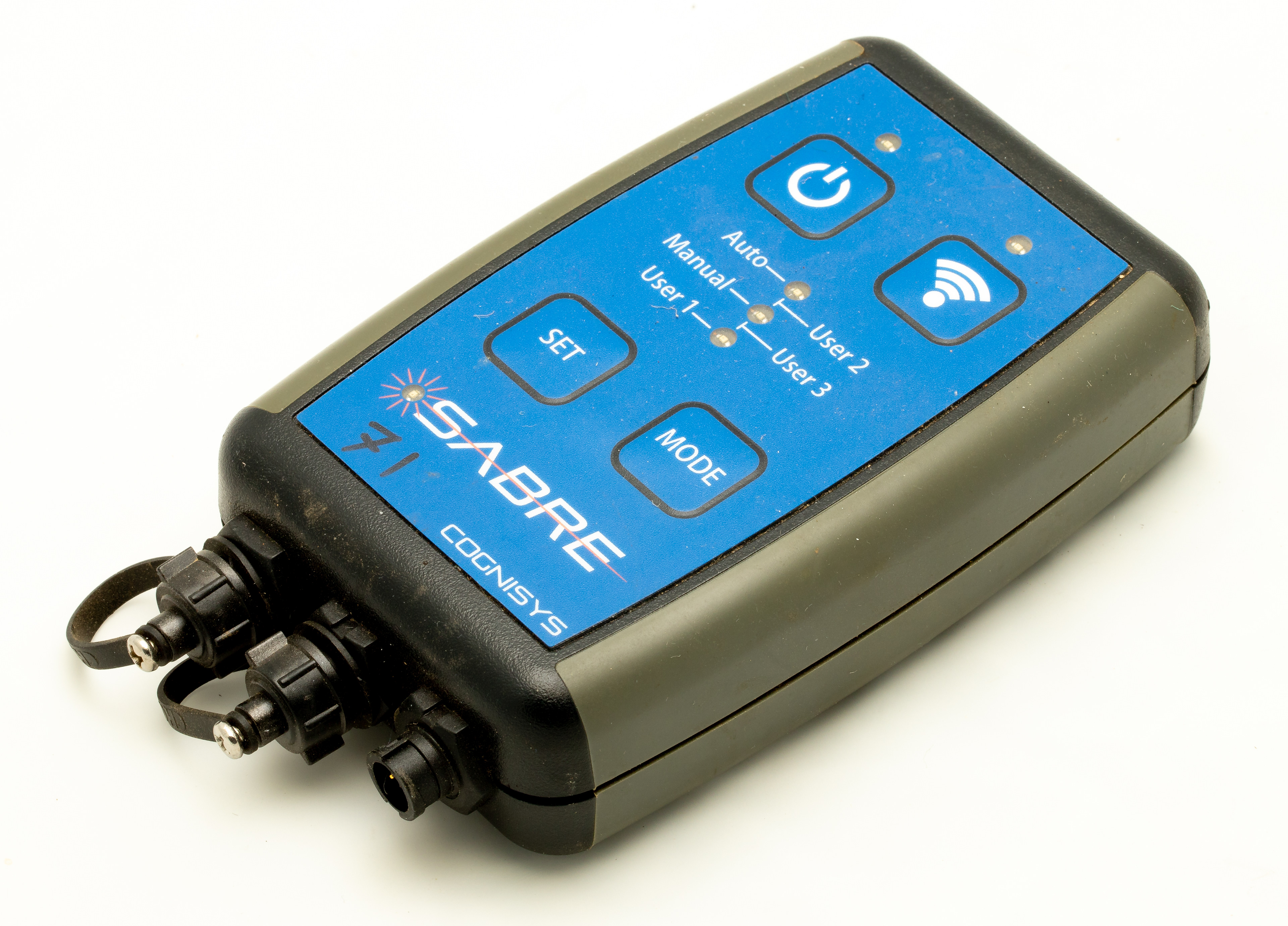
The innovative Cognisys Sabre
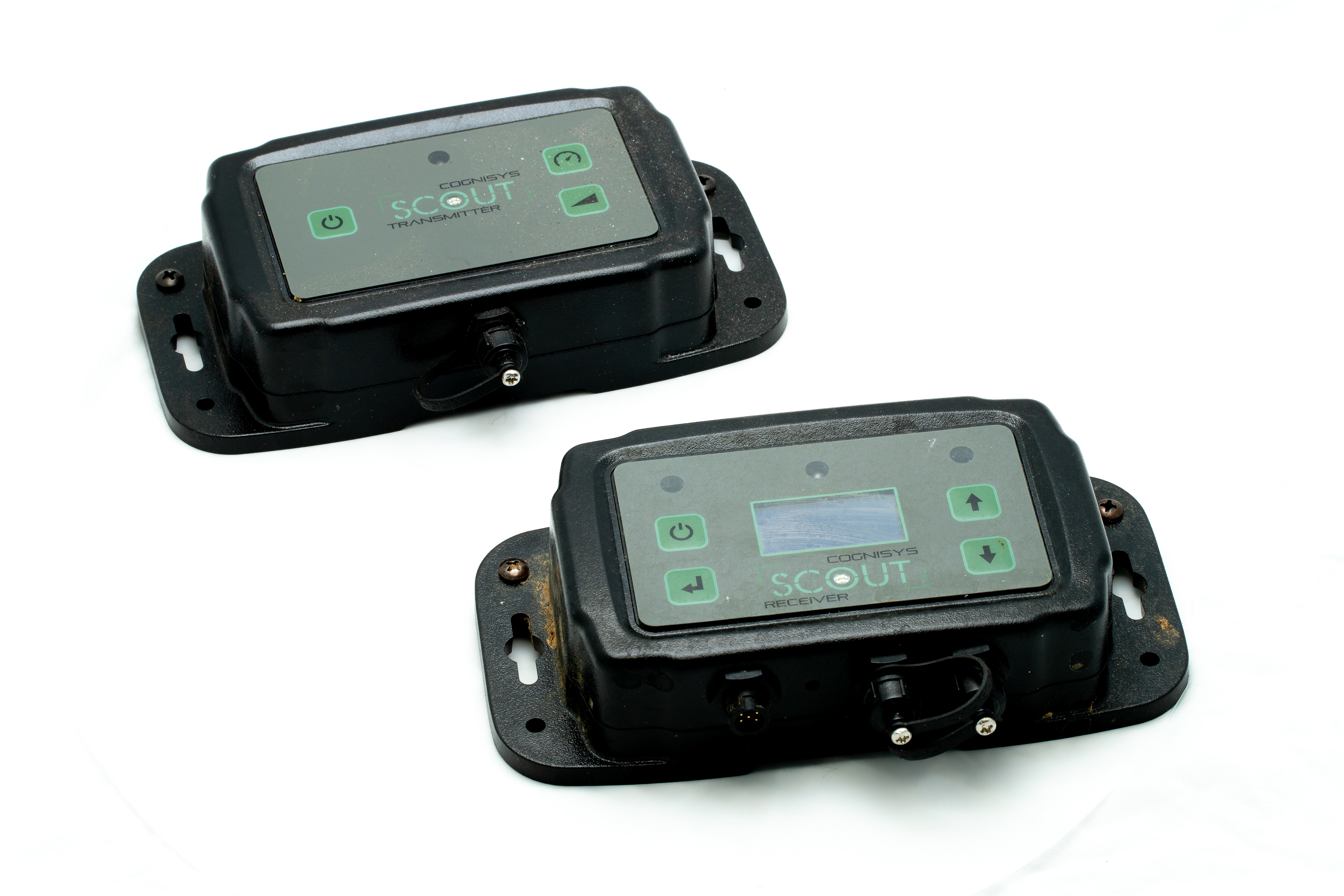
The best active IR beam sensor - Cognisys Scout
I shoot both stills and 4K video with camera traps. For stills, I tend to use Canon 5DsR cameras and Canon EF lenses. For video, most of which is nocturnal, I use the Sony A7SII camera, with a Sigma lens converter and Canon glass. The low light capability of the Sony A7SII is far beyond anything else out there at present.